

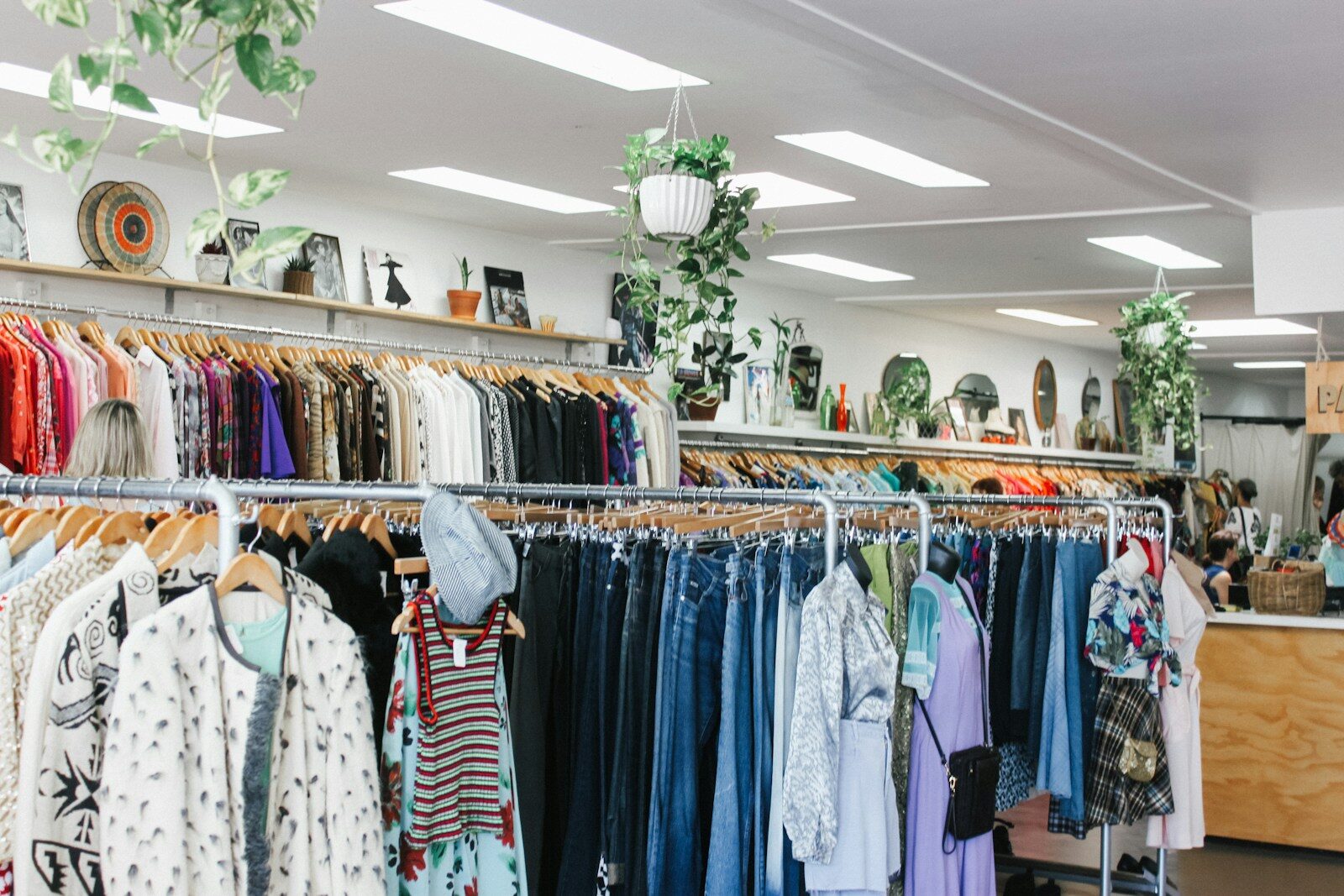
Charity shops are receiving fewer high-value clothes and household goods as growing numbers of people turn to online resale platforms to make money from unwanted possessions, new research suggests.
A study commissioned by Rathbones, one of the UK’s leading charity wealth managers, found that almost two in five senior charity executives have noticed a decline in the quality of donated goods since platforms such as Vinted, eBay and Depop became more popular.
The findings highlight a growing challenge for charity retailers, which rely on donated stock to raise hundreds of millions of pounds each year for good causes.
While selling unwanted goods online can provide valuable additional income for households, the research suggests it is also changing what eventually reaches charity-shop shelves.
Charity Leaders Report Decline in Donation Quality
Among senior executives working for charities that operate retail shops, 38% said the quality of donations had fallen following the growth of online resale platforms.
Around one in ten reported a significant decline in quality, potentially leaving shops with fewer premium items capable of generating higher sale prices.
However, the impact has not been universal. Some 42% of charity executives said the quality of donated goods had remained unchanged, while 18% reported receiving better-quality items.
Nevertheless, the overall findings suggest many charity retailers are increasingly competing with digital marketplaces for the best second-hand clothes, accessories and household products.
Previously, an unwanted designer coat, handbag or piece of furniture might have been taken directly to a local charity shop. Consumers can now photograph and list those items online within minutes, retaining the proceeds for themselves.
Almost Half of Donors Have Changed Their Habits
Separate Rathbones research involving people who donate items to charity shops found that 49% believe their use of online selling platforms has affected what they give.
Around 21% said there had been a slight reduction in their donations because they now keep their best items to sell online.
A further 19% admitted that the quality of the clothes they donate has fallen significantly, with charity shops only receiving items that did not sell through online marketplaces.
Most concerningly for the charity retail sector, 9% of respondents said they had stopped donating goods to charity shops altogether and now sell exclusively online.
The figures indicate that online resale is affecting both the volume and potential value of stock available to charity retailers.
Charity Shops Generate £300 Million for Good Causes
The shift matters because charity shops provide an important and reliable source of unrestricted income for organisations across the UK.
Sector data shows charity retail operations generate an annual profit contribution of approximately £300 million.
The UK has more than 9,900 charity shops, collectively employing around 24,900 people. These paid workers are supported by more than 223,500 volunteers, who help with everything from sorting donations and preparing displays to serving customers.
As well as raising money, charity shops provide volunteering opportunities, create local employment and help reduce waste by extending the useful life of clothes and other products.
They also offer shoppers access to affordable goods at a time when many household budgets remain under pressure.
A sustained deterioration in the quality of donated stock could therefore have consequences extending beyond individual charities’ retail income.
Household Financial Pressures Influence Decisions
The popularity of online resale platforms has grown alongside increased pressure on household finances.
For someone facing rising food, housing or energy costs, selling a valuable unwanted item may feel more practical than donating it. Digital marketplaces have also made the resale process more accessible, allowing sellers to reach a large audience from home.
However, Rathbones said donors do not necessarily have to choose between raising money for themselves and supporting a charity.
David Cox, Director of Charities at Rathbones, said: “Charity shops are an important source of income for many charities, so any shift in the quality or volume of donated goods matters for the sector. It is understandable that people may want to sell higher-value items online, particularly while household finances remain under pressure, but this research shows there can be a knock-on effect for charity retailers.
“The good news is that selling online and supporting charities do not have to be mutually exclusive. Donors can still give a portion of what they earn, use platform donation options where available, or continue donating items that charities can resell. Small choices can make a meaningful difference to charities that rely on retail income.”
Donating and Selling Do Not Have to Be Mutually Exclusive
People who want to earn money from unwanted goods while continuing to support charities have several options available.
They could donate a proportion of their online sales proceeds, divide unwanted items between resale and charity, or use charitable donation functions offered by some selling platforms.
Items that may have limited appeal online can still be valuable to charity shops, particularly when retailers can combine a wide range of affordable products for local customers.
The research suggests that maintaining this balance will become increasingly important as charities adapt to changing consumer habits and competition from the expanding second-hand digital economy.
Sources
Research was commissioned by Rathbones Group, via independent research agency PureProfile, to interview 100 senior charity executives, including board directors, finance directors, investment managers and investment directors during July 2026.
Research was commissioned by Rathbones Group, via independent research agency PureProfile of 1,000 UK adults during July 2026.