

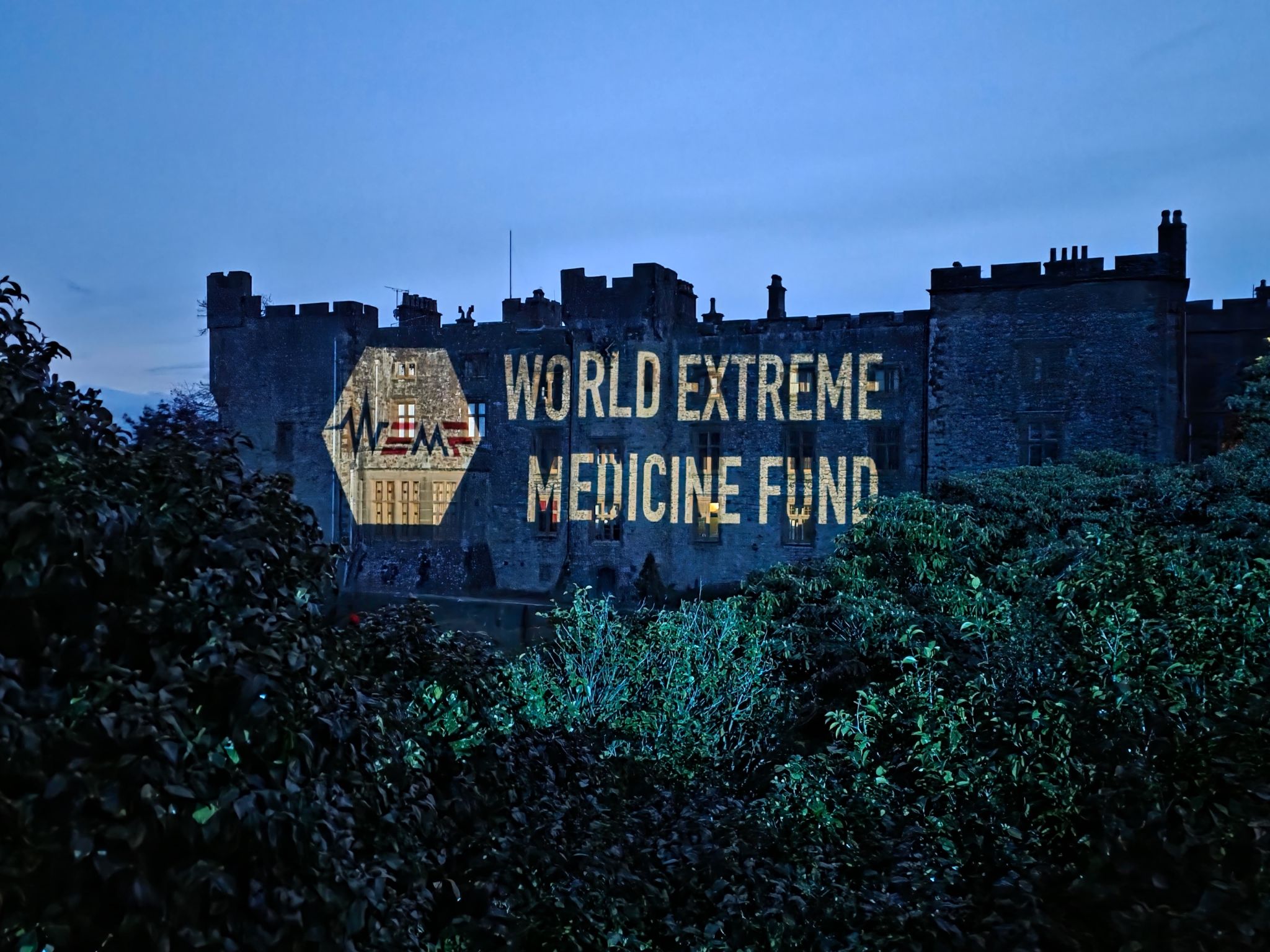
February 2026 commemorates a milestone month for the World Extreme Medicine Fund (WEMF) as it marks four years since the international charity’s inception. To-date, WEMF has delivered nearly £5M in trauma aid and trained over 1,200 frontline medical personnel.
To commemorate the four year anniversary, leading medical experts from across the UK and overseas attended WEMF’s brand new initiative – a residential training course that sees clinicians shape the future of remote medicine under extreme conditions. The new “Ukraine Lessons Learned” programme was designed hand-in-hand with frontline Ukrainian medics and shaped by the WEMF’s outstanding volunteer faculty. The course directly draws on what has changed in conflict medicine, especially the ubiquitous use of drones which make evacuation an extremely risky undertaking.
WEMF’s Co-Founders Professor Mark Hannaford and Luca Alfatti highlight “sadly, the reality in Ukraine will, at some point, become ours and it is important that we share this knowledge and experience widely.”
The inaugural Prolonged Casualty Care (PCC) course was held in February at the apt remote setting of Muncaster Castle in Cumbria and featured leading medics (including orthopedic surgeons, paramedics, nurses and experienced military medics) from across the UK (including the London Ambulance Service) and overseas (including the USA, Australia, Denmark and the Netherlands).
Each place on the course helped to provide invaluable funds to the WEM Fund’s critical lifesaving work— namely continuing to support frontline medics operating under the worst conditions imaginable.
Distinguished presenters included Ukraine Medic Lieutenant Colonel Dr Roman Kuziv. Lieutenant Colonel Dr Kuziv is Commander of the Ukrainian Medical Forces and Sustainment Group East and he has pioneered advancing trauma treatment and medical evacuation of wounded military personnel in Eastern Ukraine.
Former White House Medical Officer Dr Travis Kaufman also joined the team. A retired U.S. Army Officer and former Chief Medical Operations Officer for the White House Medical Unit, Dr Kaufman has led global health, disaster and operational medicine missions in over 90 countries. Dr Kaufman commented:
“In Ukraine, we have learned that survival is no longer determined solely in the first hour — it is determined in the hours and days that follow. Prolonged Casualty Care demands adaptability, leadership and the ability to deliver high-level care with limited resources. What makes this course unique is that it is built directly from frontline experience. We are not teaching theory. We are translating hard-earned lessons into capability that will save lives in future conflicts and disasters.”
UK-based Paramedic Adam Gray previously served in the British Army and attended to
broaden his professional portfolio:
“My passion for pre-hospital care was solidified during training prior to my deployment to Afghanistan. As I transition from being an urban ambulance Paramedic into remote Paramedic practice, I notice how restrictive the traditional ambulance experience can be when applied to remote and austere environments.
The execution of the course reminded me of my prior military training. WEMF had clearly invested in ensuring that the scenarios were as realistic as possible. For example, each ‘patient’ had artificial haemorrhaging wounds. I believe that prolonged casualty care will be a key focus area in the future.”
Former Cumbrian GP, Lieutenant Colonel Sean Hudson MBE presented throughout the course and highlighted to delegates the stark realities faced by those involved with prolonged casualty care. Dr Hudson works closely with the WEMF team and shares insights gleaned from his many years working with the Foreign and Commonwealth Office (FCO) teaching others how to care for those in disaster areas.
Heather Huston, a rural Emergency Nurse Practitioner from California commented:
“Attending this course was truly transformative. The group scenarios really unified this new approach—working through trauma management, airway interventions, and palliative care with limited resources made all the individual skills ‘click into place’ in a way that the classroom alone simply can’t.
Learning to adapt and work with what you have, rather than what you wish you had, fundamentally changed how I will approach emergency preparedness. An unexpected highlight was learning from global medics – our different backgrounds and approaches weren’t just interesting; our diverse perspectives and our collective strengths actually made us stronger as a team and resulted in a challenging and rewarding few days. These skills will enable me to provide better care for others when resources are scarce and every decision is critical.”