

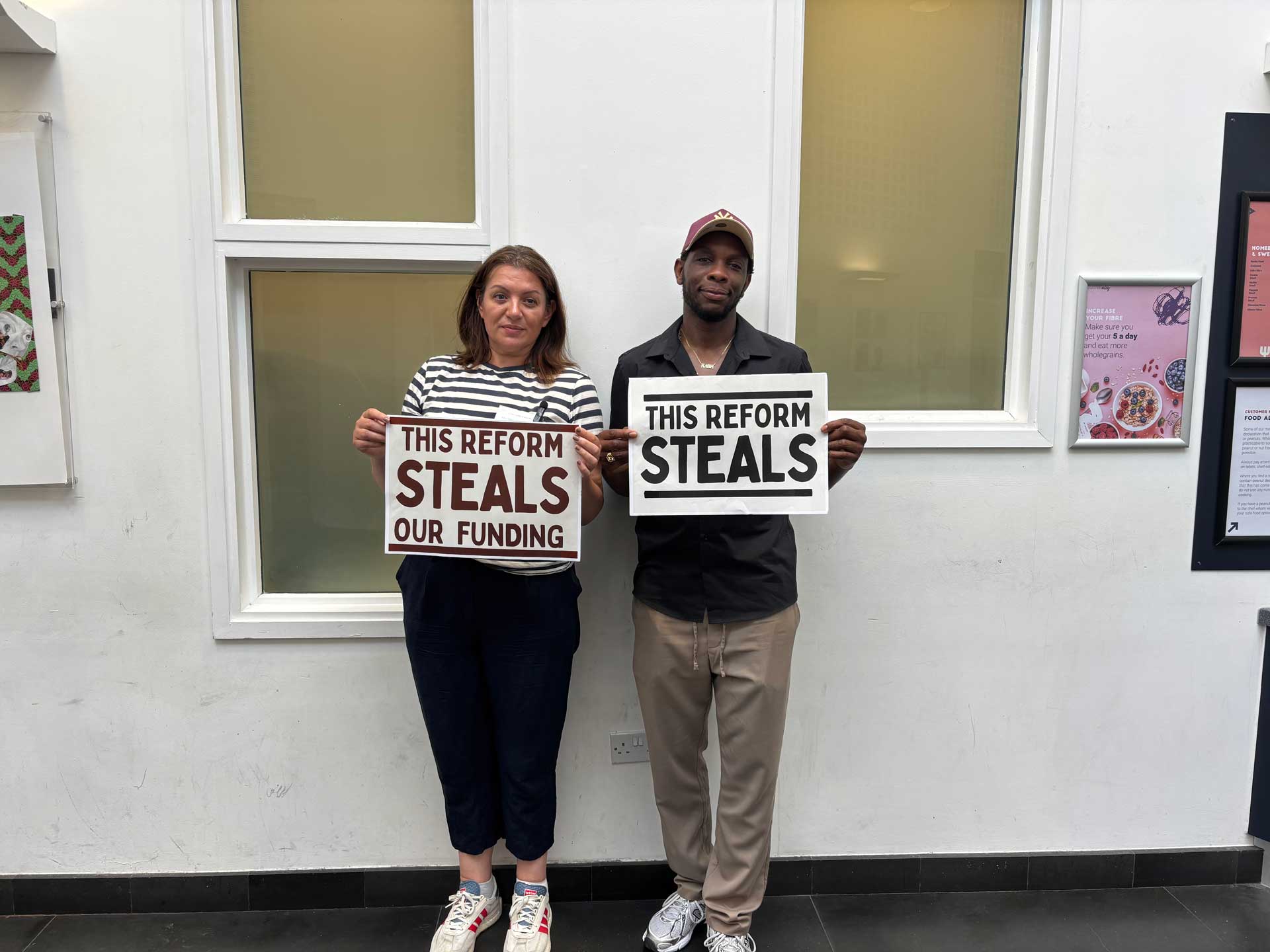
John Lyon’s Charity legal challenge looms over “disastrous leasehold reforms” which take support from low-income families and hand cash to the mega-wealthy under a Labour government
More than 10,000 children and young people, many from low-income families, will lose access to key educational, youth and mental health programmes under controversial leasehold reforms, with the money going instead to millionaires, overseas companies, non-doms and professional property investors.
That’s the stark reality of the Leasehold and Freehold Reform Act 2024 (LFRA 24) which is being challenged again in court in a fortnight by John Lyon’s Charity (JLC), which operates across nine London boroughs including PM Keir Starmer’s constituency in Camden where 43% of children live in poverty.
JLC is one of London’s leading grant-giving organisations and depends on property assets to fund approximately 250 organisations each year, equating to £12-15 million in grant-giving – but the Act would slash that by 10%, transferring £1.37 million of its grants to millionaires, non-doms and investors per year.
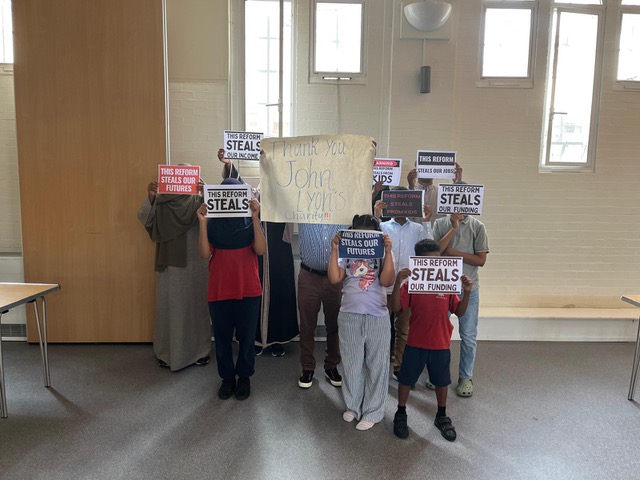
Dr. Lynne Guyton, CEO of John Lyon’s Charity, said: “The effect of the Leasehold Reform Act cannot sit comfortably with Labour MPs, the Mayor of London, or with the Prime Minister, and is a far cry from the professed politics of the Labour Party. This law takes money and support from low-income families and disadvantaged children and hands it directly to the wealthy.
“It will be a hammer blow to less well-off families; it will cut at least 10% of the Charity’s income, affecting the funding we award to at least 30 organisations, directly affecting their core and salary costs. As a result, many of the vital charities we support will have no choice but to close or lose staff because we are their only or predominant funder.
“We will see £1.37million of our funding redirected into the pockets of millionaires, instead of the charitable organisations that support vulnerable young people. This funding cut will affect around 10 thousand children and young people to access educational, mental health, art, emotional support and youth programmes, which are now at risk.”
The LFRA24, enacted by the previous Conservative government – although the majority of its provisions are not yet in force – jeopardises the financial stability and operational capacity of organisations supported by John Lyon’s Charity.
Luke Hollowell-Williams, Artistic Director at the Primary Shakespeare Company, which encourages young people into the arts, said: “John Lyon’s Charity is more than just a funder. They understand what we do and for so many years they’ve advised us and guided us. The Primary Shakespeare Company would not exist in the form that it does now without John Lyon’s Charity. This reform will have a huge impact on JLC and the hundreds of vital groups it supports. This reform steals.”
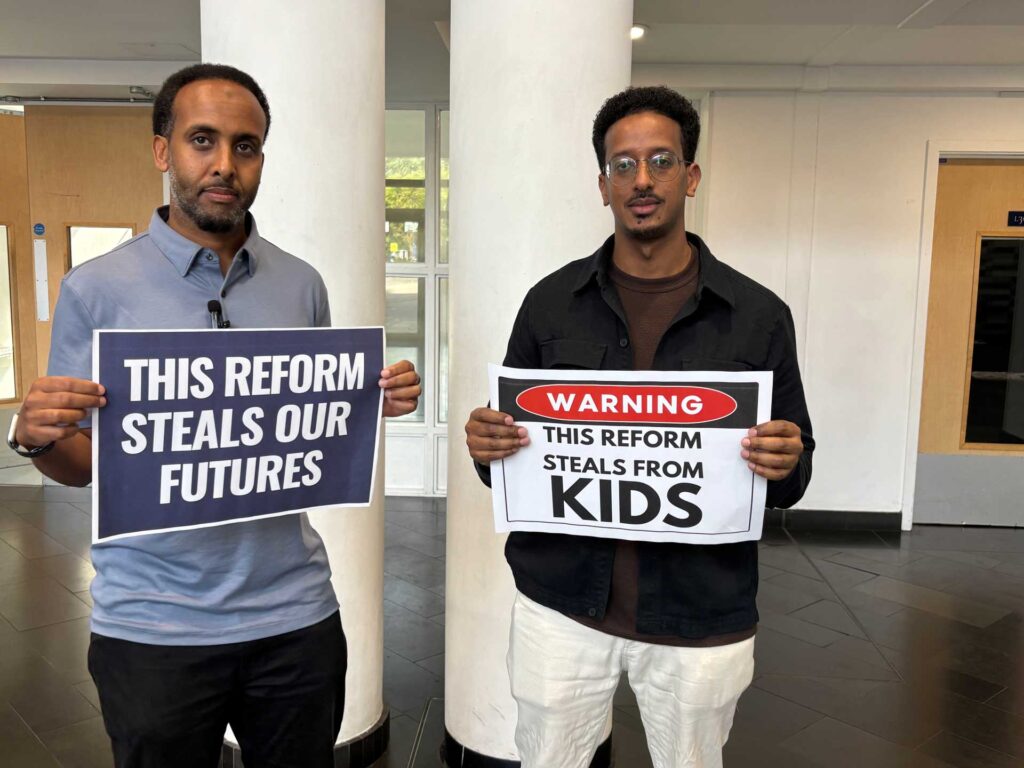
Yusuf Deerow, Director at Somali Youth Development Resource Centre (SYDRC), a youth community organisation in Camden, said: “This is going to have huge detrimental consequences for the people that we support, and we’re totally against it. Yes, some of our young people are from Camden where there is a lot of wealth but there is also a lot of poverty and having youth provisions through the support of John Lyon’s Charity makes such a difference to those communities that we provide the services to. The risk of losing our funding is going to make things worse in what’s already a difficult time.”
The Act is meant to strengthen leaseholders’ rights, making it cheaper and easier for leaseholders in houses and flats to extend their lease or buy their freehold, including by removing the requirement to pay marriage value and changing the qualifying criteria to give more leaseholders the right to extend their lease, buy their freehold and take over management of their building.
But it does not recognise the unique position of organisations like John Lyon’s Charity. It offers no exemption for organisations funded by historic property endowments, yet it does exempt entities such as the Crown Estate, the National Trust, and the Duchies of Lancaster and Cornwall.
In addition, JLC’s estate in St John’s Wood is not typical. It contains some of London’s most expensive properties, with the majority of leaseholders being high-net-worth individuals, overseas companies, non-doms and professional investors, rather than the first-time buyers the reforms were designed to protect.
John Lyon’s Charity has worked with the Government for many years, and the Prime Minister is familiar with the Charity.
“This isn’t about ‘nice-to-haves’. John Lyon’s Charity has invested over £230 million in youth services since 1991, often stepping in where local and central government fall short,” Guyton points out.
“We are the largest independent funder of children and young people’s services in Greater London, and in our nine boroughs, we routinely outspend local authorities on youth support.
“From funding Young People’s Foundations with over £8 million, to mobilising £30 million for children’s groups after the Grenfell Tower Fire, and digging deep during the Covid crisis with an extra £22 million released from our endowment – this is what long-term, strategic partnership looks like.
“If this leasehold reform goes ahead, it will severely damage the very safety net that government itself relies on in times of crisis.”
Mark Stephens CBE, solicitor with Howard Kennedy representing John Lyon’s Charity, said: “This is a disastrous policy for a Labour government to enforce, with leasehold reforms entirely missing their target. While John Lyon’s Charity supports the principle of leasehold reform, it is a travesty of justice for them to be robbed of income used solely to support young people, while the rich get richer. Exemptions must be introduced, and we are confident our Judicial Review hearing will find heavily in our favour.”
To continue awarding grants each year, JLC depends on two primary sources of income: investment returns and revenue from the John Lyon’s Charity estate, a portfolio of residential and commercial properties.
Today, the Charity’s endowment is valued at around £389million, with around 60% of income generated from property and 40% from investments. The income from properties is essential to sustaining its grants which amount to up to £15m per year
Since 1991, JLC has granted over £230 million to more than 1,700 organisations.
The final hearing in the Charity’s Judicial Review is due to take place on July 15th at the High Court.